
Our Process
From cherry to cup, in eight careful steps.
Kenya's signature wet-process method - refined over a century - is what gives our coffee its bright acidity and clean cup. Here's exactly how we do it, from the moment a cherry is picked to the day it leaves Mombasa port.
STEP 01
Hand Harvesting
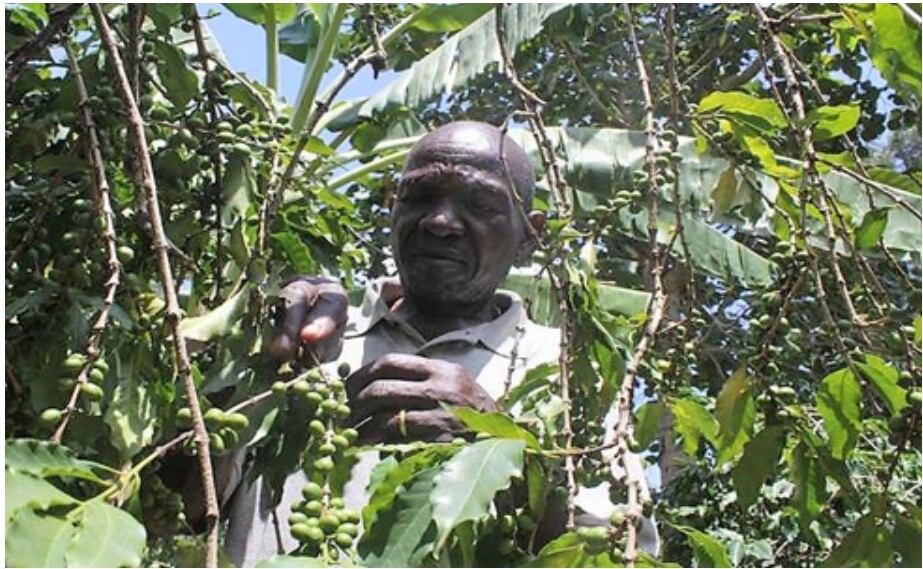
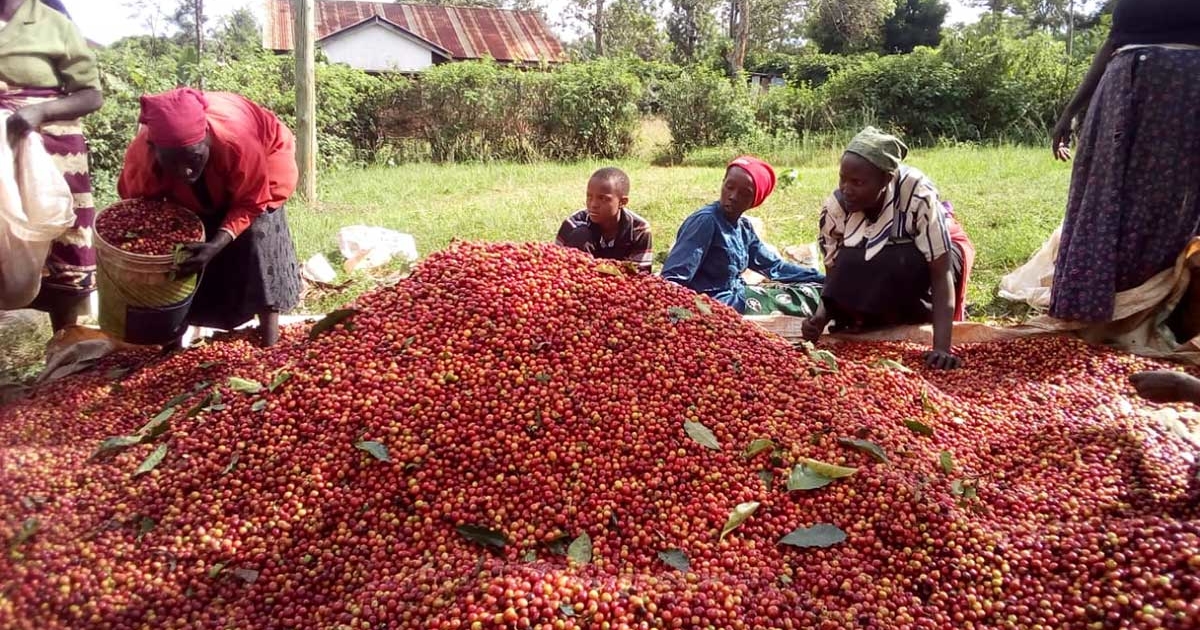
Ripe cherries are selectively picked by hand - a labour-intensive ritual that involves entire farming families. Only red, fully ripe cherries make the cut. Cherries are transported to the wet mill by ox cart, often within hours of picking.
STEP 02
Cherry Sorting
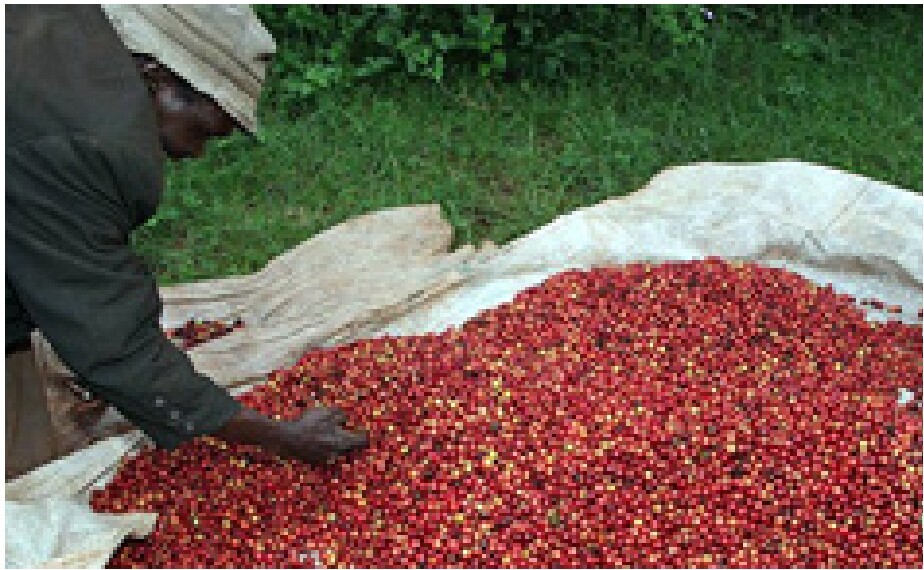
Before pulping, cherries are sorted to remove immature, diseased, insect-damaged or dry berries - along with leaves, twigs and any foreign matter. This single step has the biggest impact on final cup quality.
STEP 03
Pulping & Grading
A mechanical pulper removes the outer cherry skin, leaving the parchment coffee. The beans are then density-graded into Grade 1, Grade 2, and Light. Grade 1 parchment heads to fermentation tanks; Grade 2 and Light are re-passed for a second pulping.
STEP 04
Fermentation
Parchment coffee ferments for 1–4 days (faster on warm days, slower on cool ones) to break down the sticky mucilage. Completion is judged by feel: a rinsed bean should feel gritty, never slippery.
STEP 05
Underwater Soaking
The parchment is fully submerged in clean water for ~12 hours. This signature Kenyan step deepens the cup's clarity, sweetness and colour - and makes the famous wine-like acidity.
STEP 06
Final Washing & Grading
Coffee is pushed by wooden paddles against a stream of water through acid-resistant black-painted channels. The painted surface retains heat and reduces friction. During washing, beans are weight-graded into export classifications.
STEP 07
Sun Drying
Moisture content drops from ~55% to the ideal 11% over roughly 14 days on raised wire-mesh tables. Beans are turned regularly and covered with polythene sheets when it rains, to prevent re-wetting.
STEP 08
Roasting & Storage
Our in-house roasters take Kenya AA to a nutty, fruit-forward chocolate brown (medium roast). For Kifaru and Lion, we go to a darker French profile. All finished coffee is stored airtight in cool, dry conditions before export.